
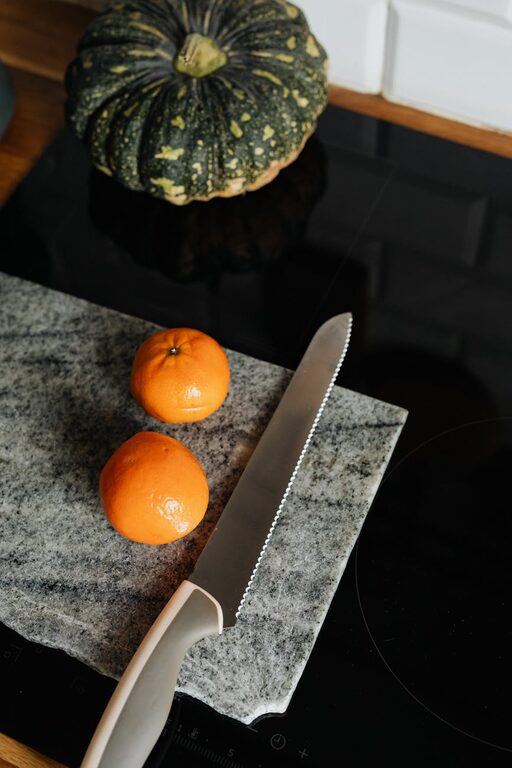
Reducing food waste at home is an impactful way to save money, protect the environment, and create a more sustainable lifestyle. Every year, millions of tons of food are discarded unnecessarily, contributing to landfill overflow and greenhouse gas emissions. The good news is, with some mindful habits and simple changes, we can all make a difference in our kitchens. In this post, we will explore practical, easy-to-implement ways to reduce food waste in your home.
Why Reducing Food Waste Matters
Before diving into tips, it’s helpful to understand why reducing food waste is important. When food is wasted, so are the resources used to produce it. This includes water, energy, labor, and transportation. Additionally, food decomposing in landfills releases methane, a potent greenhouse gas. Cutting down on waste not only supports environmental health but also helps you get the most out of your grocery budget.
Plan Your Meals and Shop Smart
Create a Weekly Meal Plan
One of the most effective ways to reduce food waste is through meal planning. By mapping out your meals for the week, you buy only what you will use. This prevents impulse buying and over-purchasing.
– List meals and snacks for each day
– Check what ingredients you already have
– Write a precise shopping list based on your plan
Shop with a Grocery List
Stick to your list when shopping to avoid picking up unnecessary items. Consider buying loose fruits and vegetables rather than pre-packaged to get exact amounts.
Avoid Bulk Buying Unless Certain
Bulk items can save money but may lead to waste if they perish before use. Only buy large quantities of items you know you will consume promptly.
Store Food Properly to Extend Freshness
Know Your Food Storage Basics
Most food spoils faster due to improper storage. Learn the best way to store different foods:
– Keep leafy greens in a damp towel in the fridge drawer
– Store onions and potatoes in a cool, dark place, not together
– Use airtight containers for leftovers and open packages
First In, First Out (FIFO) Method
Organize your pantry and fridge so that older items are in front and newer items go to the back. Use older food first to avoid spoilage.
Use Clear Containers
Storing food in transparent containers helps you see what’s available, reducing the chance of forgetting about food that needs to be used.
Get Creative with Leftovers and Scraps
Repurpose Leftovers
Leftover vegetables, meats, and grains can become delicious new meals:
– Turn roast chicken into sandwiches, soups, or salads
– Chop leftover veggies into omelets or stir-fries
– Use stale bread to make croutons or bread pudding
Save Vegetable Scraps for Stock
Collect vegetable peelings, ends, and stems in a bag or container. Once you have enough, boil them to make homemade vegetable stock.
Use Overripe Fruits in Baking or Smoothies
Bananas, berries, and other ripe fruits make excellent additions to muffins, pancakes, or smoothies.
Portion Control and Serving Wisely
Serve Smaller Portions First
Start with smaller servings and allow everyone to take seconds if still hungry. This reduces uneaten food left on plates.
Use Smaller Plates
Studies suggest smaller plates help control portion sizes and reduce food waste.
Compost What Can’t Be Eaten
Even with careful planning, some scraps and spoiled food are inevitable. Composting organic waste keeps it out of landfills and turns it into valuable garden soil.
– Use a kitchen compost bin for peels, coffee grounds, eggshells, and other compostables
– Avoid composting meat, dairy, and oily foods unless your system supports them
– Research local composting programs if you don’t have space at home
Educate and Involve Your Household
Reducing food waste is easier when everyone in the home takes part.
– Share these tips with family or housemates
– Create challenges to decrease waste together
– Celebrate small successes to build good habits over time
Final Thoughts
Cutting down food waste at home starts with awareness and intentional habits. By planning meals, storing food properly, getting creative with leftovers, and composting scraps, you’ll save money and reduce your environmental impact. Making these adjustments bit by bit can transform how your household approaches food, leading to a more sustainable and thoughtful lifestyle.
Try incorporating one or two of these tips this week and see how much difference you notice. Every small effort counts towards a healthier planet and a happier kitchen!