
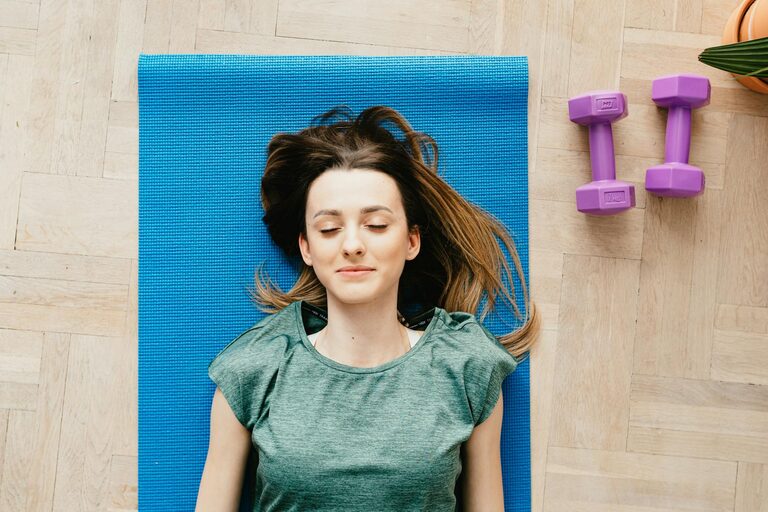
Stretching is a simple yet powerful way to improve your overall health, increase flexibility, and reduce muscle tension. If you’re new to stretching or looking for a convenient routine you can do at home, this guide will walk you through everything you need to get started safely and effectively.
Why Stretch at Home?
Stretching doesn’t require fancy equipment or a gym membership. Doing it at home allows you to:
– Save time and money
– Stretch on your own schedule
– Customize movements for your needs
– Create a relaxing, mindful routine
Whether you want to warm up before exercise, cool down afterward, or just loosen up after sitting for long periods, stretching offers many benefits including better posture, reduced risk of injury, and enhanced circulation.
Getting Started: What You Need
Before you begin, make sure you have:
– Comfortable clothing that allows free movement
– A yoga mat or soft surface to lie or sit on
– A quiet, spacious area with room to move freely
– Water nearby to stay hydrated
It’s best to stretch when your body is warm, such as after a few minutes of light walking or following a workout.
Basic Stretching Principles
To get the most from your stretches and avoid injury, keep these tips in mind:
– Warm up first: Stretching cold muscles can lead to strains. Try light cardio for 5 minutes.
– Move slowly: Ease into each stretch without bouncing or forcing your body.
– Breathe deeply: Inhale and exhale steadily to help your muscles relax.
– Hold stretches: Aim for 15–30 seconds per stretch. Repeat 2–3 times.
– Listen to your body: Stretching should feel comfortable, not painful. Stop if you feel sharp pain.
– Stretch both sides: Balance is important—stretch your left and right equally.
Beginner-Friendly Stretching Routine
Here’s a simple routine targeting major muscle groups to do at home. Spend about 10-15 minutes on these basic stretches.
1. Neck Stretch
– Sit or stand tall.
– Gently tilt your head to the right, bringing your ear toward your shoulder.
– Hold 20 seconds, then switch sides.
2. Shoulder Stretch
– Bring your right arm across your chest.
– Use your left hand to gently press your arm closer to your chest.
– Hold 20 seconds, switch sides.
3. Triceps Stretch
– Raise your right arm overhead.
– Bend your elbow to touch the middle of your back.
– Use your left hand to gently push your elbow.
– Hold 20 seconds, then switch sides.
4. Chest Opener
– Interlace your fingers behind your back.
– Straighten your arms and lift your chest slightly.
– Hold 20-30 seconds.
5. Cat-Cow Stretch (for spine mobility)
– Get on hands and knees.
– Arch your back upward, tucking your chin (Cat).
– Then lower your belly and lift your head (Cow).
– Repeat 5 times.
6. Hamstring Stretch
– Sit with your right leg extended.
– Bend your left leg so the sole touches your right inner thigh.
– Reach toward your right toes while keeping a straight back.
– Hold 20 seconds, switch sides.
7. Quadriceps Stretch
– Stand tall, hold onto a chair for balance if needed.
– Grab your right ankle behind you, pulling your heel toward your buttocks.
– Keep knees close together.
– Hold 20 seconds, switch sides.
8. Calf Stretch
– Stand facing a wall.
– Step your right leg back, keeping it straight and heel on the floor.
– Bend your left knee forward and lean into the wall.
– Hold 20 seconds, switch sides.
Tips for Making Stretching a Habit
Stretching regularly is key to long-term benefits. Here are some ideas to help you stick with it:
– Schedule daily or every-other-day sessions
– Stretch while watching TV or listening to music
– Set reminders or add stretching to your morning routine
– Keep a journal to track progress and how you feel
– Pair stretching with other activities like walking or yoga for variety
When to Be Cautious
Stretching is generally safe, but if you have any injuries, chronic pain, or health concerns, consult a healthcare provider before starting a new routine. Also, avoid overstretching or bouncing movements, which can cause further injury.
Final Thoughts
Stretching at home is an accessible way to improve your flexibility, relieve tension, and support overall wellness. With just a few minutes a day and some basic stretches, you can enjoy the benefits of a more mobile and relaxed body. Start slow, listen to your body, and make stretching a positive part of your daily self-care. Your body will thank you!